1
Practice Leads to Mastery
Shows that skills develop through repeated attempts, not instant success.
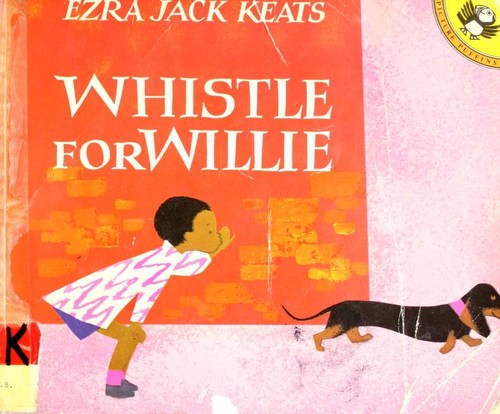
What makes this a classic is how real Peter's determination feels - he's not instantly successful, and the process takes most of the book. When he finally whistles, the accomplishment feels earned because we watched him struggle. It's a simple story about persistence and mastering a skill through practice, which is exactly what young kids are doing all day every day. The lack of adult intervention is notable - Peter figures this out himself, which builds confidence in children's ability to solve problems independently. The collage illustrations have Keats' signature style that makes urban settings feel warm and accessible.
Shows that skills develop through repeated attempts, not instant success.
Peter gets frustrated but keeps trying, modeling that negative feelings don't mean you should quit.
Peter solves this problem himself, building confidence in his ability to figure things out.
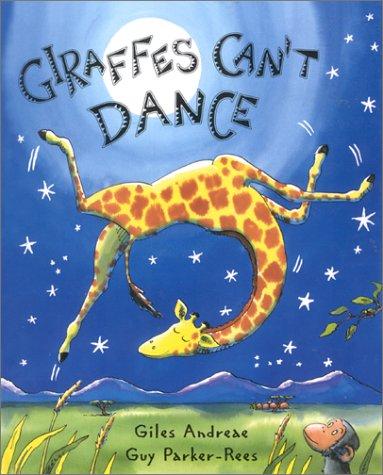
Giles Andreae
Gerald the giraffe discovers everyone can dance to their own music.
View on Amazon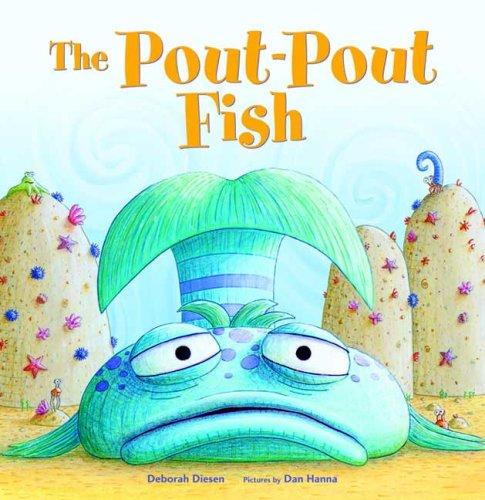
Deborah Diesen
A gloomy fish learns that a little kindness can change everything.
View on Amazon
Dr. Seuss
A graduation favorite celebrating life's journey and possibilities.
View on Amazon