1
Emotions as Adventure
Shows that anger and wildness can be explored safely through imagination before returning to reality.
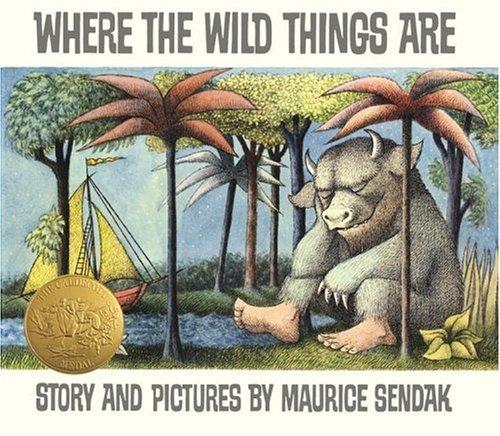
Max gets sent to his room for being wild, and instead of accepting punishment, he imagines a whole world where wildness is celebrated. The Wild Things are scary-looking but ultimately harmless, which captures something about childhood fears and power. When Max becomes king and leads the wild rumpus, it's pure wish fulfillment - the fantasy of being in charge and letting loose without consequences. But then he gets lonely and comes home, where dinner is waiting. The illustrations by Maurice Sendak are iconic for a reason - they're detailed and slightly unsettling in a way that respects children's capacity for complex emotions. It's been challenged for being too scary, which misses the point that kids need stories that acknowledge their wild sides.
Shows that anger and wildness can be explored safely through imagination before returning to reality.
Demonstrates that imaginative escape is temporary and home is always there, providing emotional security.
Treats children as capable of handling scary images and complex emotions rather than only offering sunshine and rainbows.
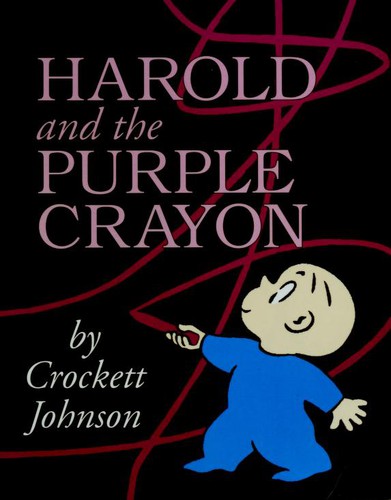
Crockett Johnson
Harold draws his own adventure with his magical purple crayon.
View on Amazon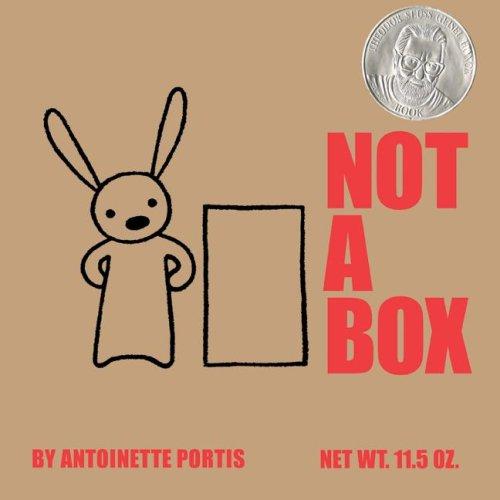
Antoinette Portis
A rabbit transforms a simple box into anything imagination allows.
View on Amazon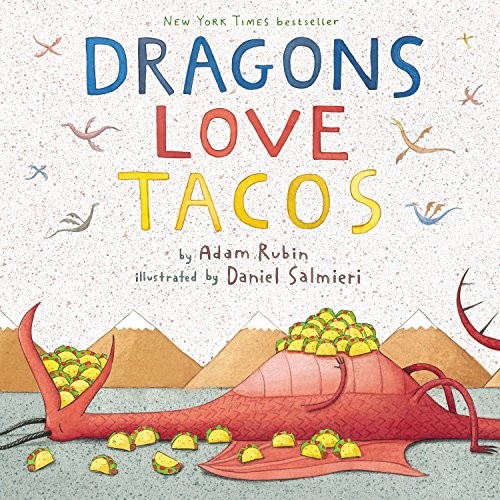
Adam Rubin
Dragons love tacos but beware of spicy salsa in this hilarious favorite.
View on Amazon