1
Kindness as Reciprocal
Teaches that being kind to others also benefits you, making prosocial behavior feel rewarding rather than sacrificial.

The bucket metaphor is simple enough for young kids to grasp - when you're kind to someone, you fill their bucket and yours. When you're mean, you dip from their bucket. It's become so widespread that 'bucket filling' is now common language in elementary schools. The book explains the concept clearly with the illustrations by David Messing supporting the message. What works is that it makes kindness concrete and reciprocal - being kind doesn't just help others, it helps you too. Some people find it overly simplistic, but for young kids who are just learning about empathy and social dynamics, having a clear metaphor is genuinely useful.
Teaches that being kind to others also benefits you, making prosocial behavior feel rewarding rather than sacrificial.
The bucket metaphor makes the invisible effects of kindness and meanness concrete and understandable.
Encourages consistent small acts of kindness rather than grand gestures, making empathy a daily habit.

Anna Llenas
A monster learns to identify and sort his mixed-up feelings by color.
View on Amazon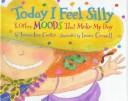
Jamie Lee Curtis
A girl experiences a wide range of emotions throughout her day.
View on Amazon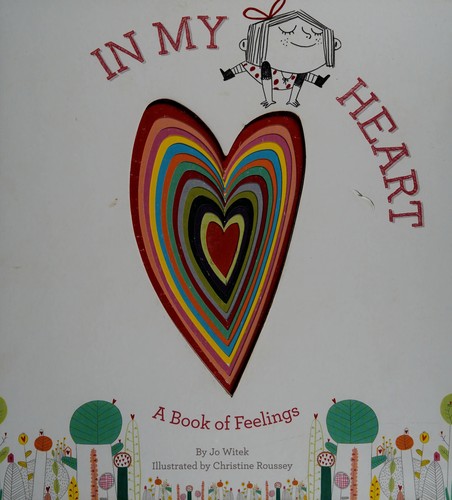
Jo Witek
A lyrical exploration of feelings and where we experience them in our hearts.
View on Amazon