1
Mood Awareness
Using colors to represent feelings helps children recognize and communicate their emotional states.
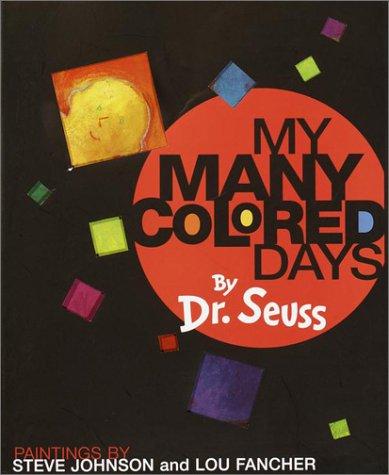
This is later Dr. Seuss, published posthumously, and it's more philosophical than his typical work. Each color represents a different mood - bright yellow happy days, gray slow days, mixed-up days. The rhythm is classic Seuss but the content is more introspective. The illustrations by Steve Johnson and Lou Fancher are abstract and colorful, matching the emotional range. What works is the acceptance that moods change and that's normal - some days you feel one way, other days another way, and all of it is okay. It gives kids permission to have emotional variety without needing to explain or justify it.
Using colors to represent feelings helps children recognize and communicate their emotional states.
Shows that it's normal to experience many different feelings, not just one or two emotional states.
The nonjudgmental tone teaches children to accept their feelings rather than fight against them.

Anna Llenas
A monster learns to identify and sort his mixed-up feelings by color.
View on Amazon
Jamie Lee Curtis
A girl experiences a wide range of emotions throughout her day.
View on Amazon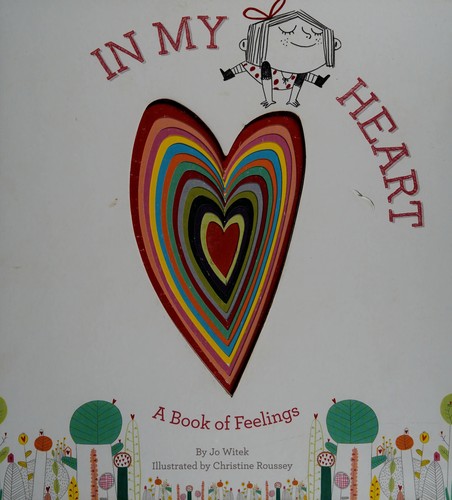
Jo Witek
A lyrical exploration of feelings and where we experience them in our hearts.
View on Amazon